
Introduction
Digital products generate large volumes of behavioral data. Websites, mobile applications, SaaS platforms, and online services constantly record interactions such as page views, feature usage, session duration, and conversion events. For product teams, understanding these signals is essential for identifying usability issues, measuring engagement, and evaluating how users interact with digital features.
However, raw data collected from applications is rarely useful without structured analysis. Product managers, analysts, and designers require tools that transform behavioral data into interpretable patterns. This need has led to the growth of product analytics platforms, a category of software designed to capture, organize, and interpret user interaction data across digital products.
One widely recognized platform in this space is Amplitude, a system built to help organizations analyze user behavior within digital environments. Instead of focusing solely on traffic metrics, the platform emphasizes behavioral analytics, enabling teams to examine how individuals navigate features, complete tasks, and move through product journeys.
The following article examines Amplitude from an educational and analytical perspective. It explores the platform’s functionality, typical use cases, limitations, and how it fits within the broader analytics ecosystem.
What Is Amplitude?
Amplitude is a product analytics and digital experience analytics platform designed to track and analyze user behavior across digital products such as mobile applications, web platforms, and software services.
Unlike traditional web analytics tools that emphasize page views and referral sources, Amplitude focuses on event-based analytics. In this model, every interaction within a product—clicks, feature activations, onboarding steps, purchases, or navigation events—can be tracked as a structured event.
The platform collects this event data and organizes it into analytical models that allow teams to study patterns such as:
-
User engagement
-
Feature adoption
-
Retention trends
-
Behavioral segmentation
-
Conversion pathways
Amplitude is typically classified within several overlapping technology categories:
-
Product analytics software
-
Behavioral analytics platforms
-
User journey analysis tools
-
Digital product intelligence systems
-
Customer behavior analytics platforms
The system is commonly used by product managers, UX researchers, data analysts, and growth teams who need insight into how real users interact with software products.
Key Features Explained
Amplitude includes a collection of analytics functions designed to examine product usage at a detailed behavioral level. These features work together to convert raw interaction data into structured insights.
Event-Based Data Tracking
A central element of Amplitude is event tracking. Rather than relying only on page-level metrics, the platform allows teams to define custom events that represent meaningful user actions.
Examples of events might include:
-
Account creation
-
Feature activation
-
File uploads
-
Purchase completion
-
Navigation steps within an application
Each event can include metadata such as timestamps, user attributes, device type, or session context. This structure enables deeper analysis than basic traffic metrics.
Behavioral Cohort Analysis
Amplitude supports cohort analysis, which groups users according to shared behaviors or attributes.
For example, users can be segmented based on:
-
Signup date
-
Feature usage
-
Geographic region
-
Subscription tier
-
Device type
-
Retention activity
These cohorts allow analysts to examine how specific user groups behave over time, enabling comparisons between different user populations.
User Journey and Funnel Analysis
Another major feature is funnel analysis, which evaluates how users move through a sequence of actions.
For instance, a typical funnel might include:
-
Account registration
-
Email verification
-
Feature onboarding
-
Subscription upgrade
Amplitude can identify where users abandon the process, which steps produce friction, and how conversion rates change over time.
Journey analysis tools further extend this capability by mapping the paths users take through a product. This helps teams understand unexpected behavior patterns or alternative usage flows.
Retention and Engagement Metrics
Retention measurement is a critical component of product analytics. Amplitude provides tools for examining whether users return to a product after their initial interaction.
Retention analysis may include:
-
Daily active users
-
Weekly active users
-
Monthly active users
-
Feature return rates
-
Repeat engagement patterns
These metrics help organizations evaluate long-term product engagement.
Behavioral Segmentation
Amplitude enables segmentation based on both user attributes and behaviors. For example, analysts can compare how different groups interact with a particular feature.
Segments might include:
-
New users vs. returning users
-
Free plan vs. paid subscribers
-
Mobile vs. desktop users
-
Users who completed onboarding vs. those who skipped steps
This approach allows teams to identify patterns that might not appear in aggregated data.
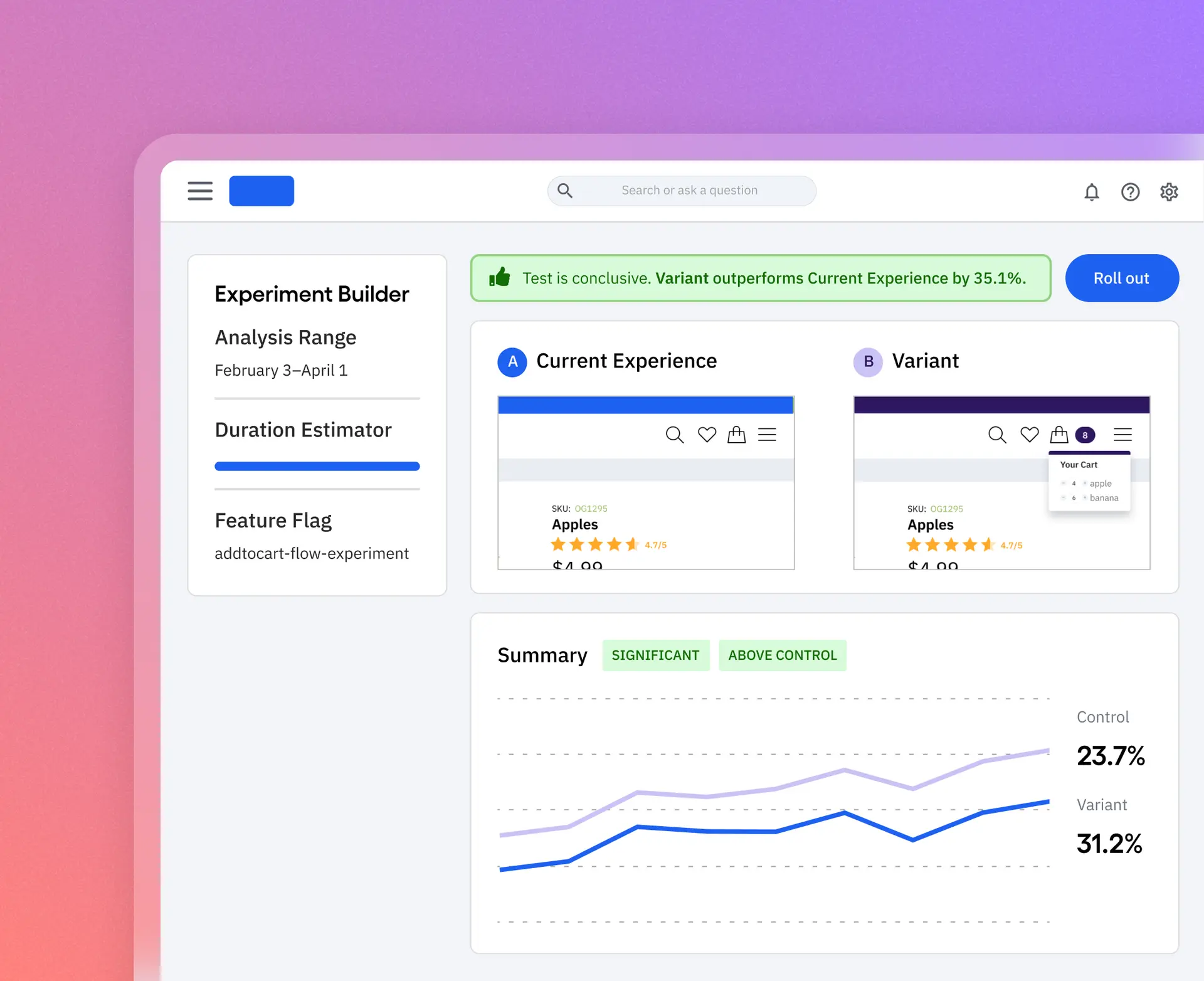
Experiment Analysis
Some versions of Amplitude include functionality for analyzing product experiments, such as A/B tests. These experiments evaluate how changes to interface design, features, or onboarding processes affect user behavior.
Experiment analysis tools can measure:
-
Conversion differences
-
Engagement changes
-
Feature usage shifts
-
Retention variation between experimental groups
Data Visualization and Dashboards
Amplitude includes visual analytics dashboards that allow teams to view complex behavioral data in chart-based formats.
Visualizations may include:
-
Time series graphs
-
Funnel conversion charts
-
Retention curves
-
Segmentation comparisons
-
Event distribution charts
These visual tools are designed to make large datasets easier to interpret.
Common Use Cases
Amplitude is used across various digital product environments. Organizations adopt the platform for multiple analytical purposes.
Product Development Insights
Product teams frequently use Amplitude to determine how users interact with newly released features. By analyzing event data, teams can observe whether features are widely adopted or rarely used.
These insights can guide product roadmap decisions and feature refinement.
User Experience Research
UX researchers rely on behavioral analytics to understand how users navigate product interfaces. Amplitude allows researchers to examine:
-
Navigation paths
-
Drop-off points
-
Feature discovery patterns
-
Interaction frequency
This information can inform interface design improvements.
Conversion Rate Optimization
Amplitude’s funnel analysis tools are often used to identify stages where users abandon key workflows. Organizations may analyze conversion paths such as:
-
Signup flows
-
Checkout processes
-
Subscription upgrades
-
Onboarding sequences
Identifying friction points helps teams evaluate areas requiring redesign or simplification.
Customer Retention Analysis
Long-term user engagement is a critical indicator of product health. Amplitude’s retention analytics allow organizations to track how frequently users return after their initial experience.
Retention studies may focus on:
-
Onboarding effectiveness
-
Feature engagement patterns
-
Lifecycle engagement trends
Data-Driven Product Strategy
Executives and product leaders may rely on Amplitude dashboards to monitor product performance indicators. Behavioral insights can contribute to strategic decisions regarding feature investment and product direction.
Potential Advantages
Amplitude offers several advantages related to behavioral analytics and product insight.
Deep Behavioral Visibility
Event-based analytics provides detailed insight into how users interact with specific features rather than just overall traffic patterns.
Flexible Segmentation
The platform’s segmentation capabilities allow analysts to compare multiple user groups, which can reveal patterns that aggregated metrics might conceal.
Cross-Platform Data Integration
Amplitude can analyze data from both web and mobile environments, allowing organizations with multi-platform products to maintain unified behavioral insights.
Scalable Data Infrastructure
Large digital platforms generate millions of events daily. Amplitude is designed to process high event volumes while maintaining analytical responsiveness.
Collaborative Analytics
Dashboards and reporting systems allow multiple teams—product, marketing, analytics, and design—to access behavioral insights from the same dataset.
Limitations & Considerations
Despite its analytical capabilities, Amplitude is not universally suitable for all organizations.
Implementation Complexity
Event-based analytics requires structured event planning. Organizations must carefully design event taxonomies, define tracking strategies, and ensure data consistency.
Poorly implemented tracking systems may produce confusing or incomplete datasets.
Learning Curve
The platform’s analytical depth can introduce a learning curve, particularly for teams unfamiliar with behavioral analytics or data modeling.
Understanding cohort analysis, segmentation logic, and event hierarchies may require training.
Data Governance Requirements
Because Amplitude processes large quantities of behavioral data, organizations must maintain strong governance practices regarding:
-
User privacy
-
Data retention
-
Regulatory compliance
-
Event naming conventions
Cost Considerations
Enterprise analytics platforms often involve pricing structures based on event volume, data storage, or advanced feature access. Smaller organizations may evaluate whether the analytical capabilities justify the associated cost.
Dependence on Data Quality
All analytics platforms rely on the quality of the data they receive. If event tracking is incomplete or inconsistent, analytical conclusions may become unreliable.
Who Should Consider Amplitude
Amplitude may be relevant for several types of organizations and professional roles.
Digital Product Companies
Organizations that operate web platforms, SaaS tools, or mobile applications often require detailed behavioral insights to refine product functionality.
Product Managers
Product managers frequently analyze feature adoption and engagement trends. Behavioral analytics platforms can assist in evaluating whether product updates meet user needs.
UX and User Research Teams
Researchers studying user interaction patterns may benefit from event-based analytics when conducting usability analysis.
Data Analysts
Analysts who specialize in customer behavior or product metrics may use Amplitude to conduct segmentation analysis and long-term engagement studies.
Growth and Retention Teams
Teams responsible for improving user engagement and retention metrics often analyze product usage patterns to identify opportunities for improvement.
Who May Want to Avoid It
Certain organizations may find alternative tools more appropriate depending on their needs.
Small Projects With Limited Data
Small websites or early-stage products with minimal user traffic may not require a comprehensive behavioral analytics platform.
Organizations Focused Only on Traffic Analytics
Businesses that only need high-level website metrics—such as visitor counts or referral sources—may find traditional web analytics tools sufficient.
Teams Without Data Implementation Resources
Event-based analytics requires technical setup and ongoing maintenance. Organizations lacking data engineering support may encounter implementation challenges.
Projects With Strict Data Storage Limitations
Platforms that operate under restrictive data governance or regulatory environments may need specialized compliance frameworks before adopting behavioral analytics tools.
Comparison With Similar Tools
Amplitude exists within a competitive landscape of analytics platforms designed to interpret digital user behavior.
Traditional Web Analytics Platforms
Traditional analytics tools emphasize metrics such as page views, session duration, and traffic sources. While these metrics provide useful information about website performance, they may not capture the depth of product interactions required by modern digital products.
Event-based analytics platforms like Amplitude focus on user behavior inside the product, rather than just traffic acquisition.
Product Analytics Alternatives
Other product analytics systems provide similar event-based capabilities. These platforms often compete in areas such as:
-
Funnel analysis
-
Behavioral segmentation
-
Retention measurement
-
Experiment analysis
-
Data visualization
Each platform differs in areas such as interface design, integration ecosystem, pricing structure, and data infrastructure.
Data Warehouse Analytics Approaches
Some organizations build analytics pipelines using data warehouses combined with visualization tools. This approach offers flexibility but often requires greater technical infrastructure and maintenance.
Amplitude provides a more integrated environment specifically designed for behavioral product analytics.
Final Educational Summary
Amplitude represents a modern approach to analyzing digital product usage through event-based behavioral analytics. Instead of focusing exclusively on page-level metrics, the platform tracks detailed user interactions across applications and websites.
Through features such as cohort analysis, funnel visualization, retention tracking, and behavioral segmentation, the platform enables teams to examine how users interact with product features and workflows.
This analytical perspective supports product development, user experience research, and engagement analysis. However, the platform also requires careful implementation, structured data governance, and technical familiarity with event-based analytics models.
Organizations evaluating analytics solutions often consider Amplitude alongside other behavioral analytics platforms, traditional web analytics tools, and custom data infrastructure approaches. The appropriate choice depends on factors such as product complexity, data volume, organizational resources, and analytical objectives.
Disclosure: This article is for educational and informational purposes only. Some links on this website may be affiliate links, but this does not influence our editorial content or evaluations.
