
Introduction
As organizations expand their digital operations, the complexity of coordinating tasks across teams, tools, and timelines has increased significantly. Businesses today rely on a mixture of project management platforms, communication channels, automation systems, and data dashboards. While each tool serves a specific function, fragmentation between them can create operational friction. Teams may struggle to track responsibilities, align processes, or maintain visibility over ongoing work.
To address these coordination challenges, a category of software known as workflow orchestration and operational management platforms has emerged. These tools attempt to centralize processes, structure collaboration, and provide systems for managing tasks across multiple operational layers.
Within this ecosystem, GoFlow represents one example of a platform designed to support structured workflow coordination. Rather than functioning solely as a task manager or communication tool, platforms in this category often attempt to combine operational planning, workflow tracking, and team collaboration into a unified environment.
Understanding how such platforms function requires examining the broader workflow management landscape, the features commonly associated with these systems, and the practical situations in which they may or may not be suitable.
What Is GoFlow?
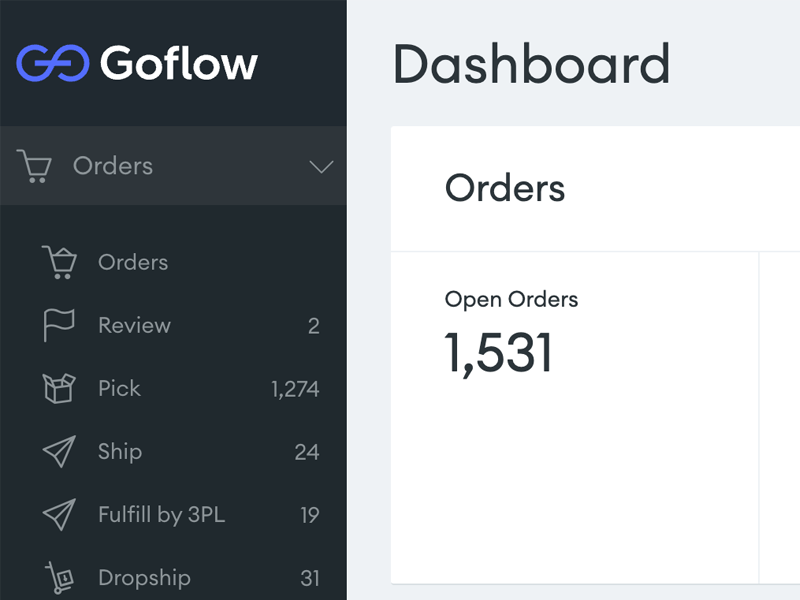
GoFlow is a workflow coordination and operational management platform designed to assist teams in organizing processes, assigning responsibilities, and monitoring project progress. Platforms in this category typically aim to provide a centralized interface for managing workflows that might otherwise be scattered across spreadsheets, messaging platforms, and individual task lists.
From a classification perspective, GoFlow falls within the broader field of:
-
Workflow management software
-
Business process management (BPM) tools
-
Team collaboration platforms
-
Operational coordination systems
These types of platforms generally provide structured frameworks where teams can map tasks, define responsibilities, and monitor workflow stages. Instead of relying on disconnected tools, organizations may attempt to consolidate process oversight into a single system.
GoFlow is typically discussed in relation to modern digital workflow management, which emphasizes transparency, automation support, and cross-team coordination. By organizing operational steps into structured pipelines or workflow structures, platforms like this aim to improve visibility into how work progresses within a team or organization.
It is important to note that tools within this category do not replace all other workplace systems. Instead, they often operate as coordination layers that connect planning, execution, and oversight activities.
Key Features Explained
Workflow management platforms typically include a collection of features designed to structure operational processes. While implementations differ across products, several common capabilities are often associated with systems such as GoFlow.
Workflow Structuring
One of the foundational components of workflow tools is the ability to define structured processes. This may involve organizing tasks into stages, pipelines, or operational phases.
Workflow structuring allows teams to outline how work moves from one step to another. For example, a process might move through stages such as planning, execution, review, and completion. This structure can help reduce ambiguity around task progression.
Task Assignment and Responsibility Tracking
Clear accountability is often a challenge in collaborative environments. Workflow platforms frequently include systems for assigning tasks to specific individuals or teams, ensuring that responsibilities are clearly documented.
These systems may allow users to:
-
Assign tasks to team members
-
Set deadlines or milestones
-
Monitor completion status
-
Track changes over time
Such features are intended to improve visibility into who is responsible for each step within a workflow.
Centralized Operational Visibility
Another common feature is the centralization of workflow data. Instead of storing project information across multiple applications, a workflow management platform attempts to provide a consolidated overview.
This centralized view may include:
-
Task status dashboards
-
Activity logs
-
Progress tracking
-
Workflow analytics
For organizations managing multiple simultaneous projects, this type of overview can assist in identifying delays, bottlenecks, or resource constraints.
Collaboration and Communication Context
Some workflow systems incorporate communication elements that allow teams to discuss tasks within the context of the workflow itself. Rather than relying solely on external messaging tools, conversations can be attached directly to specific tasks or stages.
This approach can help maintain contextual communication, where discussions remain linked to the work they relate to.
Process Standardization
Many organizations attempt to maintain consistent procedures across teams. Workflow platforms often support process templates, which allow recurring operational processes to be reused.
Templates may be applied to activities such as:
-
onboarding workflows
-
marketing campaign planning
-
product development cycles
-
internal review processes
By formalizing these structures, teams can reduce variability in how tasks are executed.
Common Use Cases
Workflow coordination tools are typically adopted across a wide range of industries and organizational contexts. Although specific implementations differ, several recurring use cases illustrate how these systems may be applied.
Project Coordination
Project-based teams frequently rely on workflow management tools to organize timelines and responsibilities. Structured workflows can help teams track project phases and maintain clarity about task dependencies.
Marketing Operations
Marketing teams often coordinate multiple campaigns, content schedules, and production timelines simultaneously. Workflow platforms can assist in organizing editorial pipelines, campaign launches, and asset approvals.
Product Development
Product teams may use workflow systems to manage stages such as ideation, design, development, testing, and release planning. Structured workflows help ensure that development tasks follow consistent review processes.
Agency and Client Workflows
Agencies handling multiple client projects may adopt workflow platforms to monitor deliverables, approvals, and revision cycles. These tools can help maintain visibility over parallel projects.
Internal Operations Management
Some organizations apply workflow coordination systems to internal processes such as recruitment pipelines, training programs, or operational approvals.
Potential Advantages
Like many digital workflow tools, platforms such as GoFlow may offer several operational benefits when integrated into an organization’s existing processes.
Improved Process Visibility
One frequently cited advantage of workflow platforms is enhanced transparency across tasks and responsibilities. By consolidating workflow data into a single environment, teams may gain a clearer view of ongoing operations.
Structured Collaboration
Workflow systems can help teams move away from informal coordination methods such as scattered emails or disconnected chat threads. Instead, tasks and discussions remain linked within a structured environment.
Reduced Process Ambiguity
Clearly defined workflows may reduce confusion about what steps need to occur before a task is completed. When responsibilities and stages are documented, teams may find it easier to understand how work progresses.
Documentation of Operational Processes
Another potential advantage involves the ability to document internal processes. Over time, workflow structures may serve as references for how work is typically performed within an organization.
Scalability for Growing Teams
As organizations expand, informal task management approaches can become difficult to maintain. Workflow platforms may help establish operational structures that support larger teams.
Limitations & Considerations
Despite potential advantages, workflow management systems also present several limitations that organizations may need to consider before adoption.
Learning Curve
Implementing structured workflow systems can introduce a learning curve. Teams accustomed to informal coordination methods may require time to adapt to defined workflows and task documentation practices.
Process Over-Structuring
In some environments, excessive workflow structuring can introduce rigidity. Not all tasks fit neatly into predefined stages, and overly complex workflows may slow down flexible decision-making.
Integration Requirements
Organizations often rely on multiple digital tools simultaneously. A workflow management platform may require integrations with other systems such as communication tools, project management software, or data platforms.
Integration complexity can influence how effectively the platform fits within an existing technology ecosystem.
Ongoing Maintenance
Workflows are rarely static. As organizations evolve, operational processes often change. Maintaining an up-to-date workflow structure requires periodic updates and oversight.
Suitability for Smaller Teams
For very small teams or individual operators, a comprehensive workflow platform may introduce more structure than necessary. In such cases, simpler task management tools might be sufficient.
Who Should Consider GoFlow
Workflow coordination systems are typically most relevant for organizations that manage complex or multi-stage operational processes.
Groups that may evaluate tools like GoFlow include:
-
Mid-sized and large teams managing multiple projects
-
Organizations seeking structured workflow documentation
-
Companies with distributed or remote teams
-
Agencies handling numerous client deliverables
-
Departments coordinating cross-functional collaboration
In these contexts, workflow platforms may serve as organizational frameworks that help structure operational activities.
Who May Want to Avoid It
Not every team requires a comprehensive workflow coordination system. Certain groups may find that simpler approaches remain more practical.
Examples include:
-
Individual freelancers managing limited tasks
-
Small teams with highly flexible workflows
-
organizations relying primarily on real-time communication tools
-
projects with minimal task dependencies
In situations where workflows are simple or highly dynamic, the structure introduced by workflow platforms may not provide significant advantages.
Comparison With Similar Tools
The workflow management ecosystem contains numerous platforms designed to organize tasks and processes. While GoFlow operates within this broader category, it shares conceptual similarities with several well-known workflow and project coordination tools.
Traditional Project Management Software
Some tools focus primarily on task scheduling and project timelines. These platforms often emphasize Gantt charts, milestone tracking, and resource allocation. Workflow tools may overlap with these functions but often emphasize process structure rather than purely timeline-based management.
Kanban-Based Task Systems
Kanban-style platforms organize work into columns representing stages of progress. While workflow platforms sometimes incorporate Kanban concepts, they may also include deeper process automation and operational structuring features.
Business Process Management Platforms
More complex BPM systems focus on modeling and automating entire business processes. Compared to these enterprise-level solutions, workflow coordination tools may emphasize usability and team-level organization.
Collaboration Platforms
Communication-focused platforms primarily facilitate conversation and file sharing. Workflow tools may integrate communication features but are generally designed to maintain structured oversight of operational tasks.
Understanding these distinctions can help organizations evaluate which category aligns best with their operational needs.
Final Educational Summary
Digital workflow coordination has become increasingly important as teams manage complex projects across distributed environments. Platforms such as GoFlow represent one approach to addressing operational fragmentation by introducing structured systems for organizing tasks, responsibilities, and workflow stages.
At a conceptual level, workflow management platforms attempt to centralize operational oversight while maintaining visibility across projects. By defining structured processes and tracking task progression, organizations may gain clearer insight into how work moves through different stages of completion.
However, the effectiveness of such tools depends heavily on organizational context. Teams with complex workflows, multiple stakeholders, and ongoing project coordination requirements may find structured systems beneficial. In contrast, smaller or highly flexible teams may prefer lighter task management approaches.
Evaluating workflow tools requires examining factors such as process complexity, team size, integration requirements, and the degree of operational structure an organization wishes to maintain. Understanding these considerations can help organizations determine whether platforms like GoFlow align with their operational environment.
Disclosure: This article is for educational and informational purposes only. Some links on this website may be affiliate links, but this does not influence our editorial content or evaluations.
