
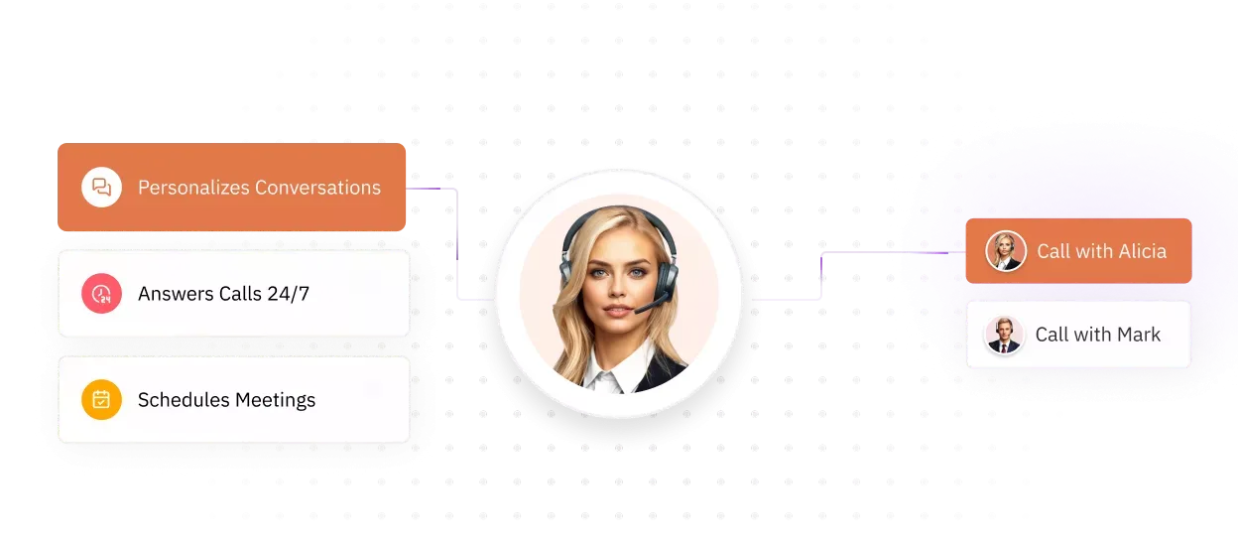
Introduction
Modern business communication has undergone a significant transformation over the past decade. Traditional landline systems, once central to organizational communication, are increasingly being replaced by internet-based solutions that offer flexibility, scalability, and centralized management. This shift has been driven by the growing need for distributed teams, remote work environments, and global customer engagement.
Cloud telephony platforms have emerged as a response to these evolving demands. They allow organizations to manage voice communication through the internet rather than relying on physical infrastructure. Such systems integrate calling features with digital tools like customer relationship management platforms, analytics dashboards, and workflow automation systems.
Within this category, CallHippo represents one example of a cloud-based business phone system designed to facilitate communication across teams and geographies. Examining how it functions helps in understanding the broader role of virtual phone systems in contemporary business operations.
What Is CallHippo?
CallHippo is a cloud telephony solution that enables businesses to manage inbound and outbound calls using internet-based infrastructure. It falls under the broader category of Voice over Internet Protocol (VoIP) platforms, which convert voice signals into digital data transmitted over the internet.
Instead of requiring physical hardware such as desk phones or private branch exchange (PBX) systems, CallHippo operates through web interfaces, mobile applications, and integrations with other software tools. It provides virtual phone numbers for different countries, allowing organizations to establish a local presence without maintaining physical offices in those regions.
The platform is typically used by customer support teams, sales departments, and remote workforces that require centralized communication systems. Its design reflects the ongoing transition from hardware-dependent telephony systems to software-driven communication environments.
Key Features Explained
Virtual Phone Numbers
One of the defining features of CallHippo is the ability to generate virtual phone numbers across multiple countries. These numbers can be used to make and receive calls as if the organization were physically located in those regions.
This capability is particularly relevant for businesses that operate internationally or wish to establish a local identity in different markets. Virtual numbers can also be assigned to specific teams or departments, helping to organize communication flows.
Call Routing and Forwarding
Call routing allows incoming calls to be directed to appropriate agents or departments based on predefined rules. These rules may include time-based routing, geographic location, or caller input through an interactive voice response (IVR) system.
Call forwarding ensures that calls are not missed by redirecting them to alternative numbers or devices. This is especially useful for remote teams or employees who are not tied to a single workstation.
Interactive Voice Response
IVR systems enable automated interaction with callers through menu-based options. For example, callers may press specific keys to reach different departments or services.
This feature reduces the need for manual call handling and helps streamline the customer experience. It also allows businesses to manage higher call volumes without significantly increasing staffing requirements.
Call Analytics and Reporting
CallHippo includes analytics tools that track call metrics such as duration, frequency, response times, and agent performance. These insights are often presented through dashboards and reports.
Such data can be used to evaluate operational efficiency, identify bottlenecks, and improve customer service strategies. Analytics also play a role in workforce management by helping supervisors monitor productivity.
CRM Integration
Integration with CRM systems allows call data to be linked with customer records. This enables agents to access relevant information during calls, improving context and continuity.
Call logs, recordings, and notes can be automatically stored within CRM platforms, reducing manual data entry and supporting more informed decision-making.
Call Recording
Call recording functionality captures conversations for later review. This feature is commonly used for quality assurance, training, and compliance purposes.
Recorded calls can help organizations maintain service standards and provide reference points for resolving disputes or misunderstandings.
Multi-Device Accessibility
CallHippo can be accessed through various devices, including desktops, laptops, and mobile phones. This flexibility supports remote work environments and allows employees to stay connected regardless of location.
The use of softphones (software-based phone interfaces) eliminates the need for dedicated hardware, making the system more adaptable.
Common Use Cases
Customer Support Operations
Cloud telephony platforms are widely used in customer support environments where handling large volumes of calls efficiently is critical. Call routing, IVR systems, and analytics tools contribute to more structured support workflows.
Sales and Lead Management
Sales teams use platforms like CallHippo to manage outbound calling campaigns and track interactions with potential clients. Integration with CRM systems helps maintain detailed records of communication history.
Remote and Distributed Teams
Organizations with geographically dispersed teams benefit from centralized communication systems that do not depend on physical infrastructure. Employees can access the same phone system regardless of their location.
International Business Expansion
Virtual phone numbers enable businesses to establish a presence in multiple countries without setting up physical offices. This is particularly useful for companies exploring new markets.
Internal Communication
In addition to external calls, cloud telephony systems can be used for internal communication between departments and team members, often replacing traditional office phone systems.
Potential Advantages
Scalability
Cloud-based systems can be scaled up or down based on organizational needs. Adding new users or numbers typically requires minimal setup compared to traditional telephony systems.
Cost Structure
By eliminating the need for physical hardware and maintenance, cloud telephony platforms may reduce upfront infrastructure costs. Operational expenses are often based on usage or subscription models.
Flexibility
The ability to access the system from multiple devices supports flexible work arrangements. Employees are not restricted to specific locations or equipment.
Centralized Management
Administrative controls are typically managed through a single dashboard, allowing organizations to configure settings, monitor usage, and generate reports in one place.
Integration Capabilities
Compatibility with CRM systems and other business tools enhances workflow efficiency by connecting communication data with broader operational processes.
Limitations & Considerations
Dependence on Internet Connectivity
Since CallHippo operates over the internet, call quality and reliability are directly influenced by network performance. Poor connectivity can result in dropped calls or reduced audio clarity.
Learning Curve
While designed to be user-friendly, cloud telephony systems may still require training for new users. Understanding features like IVR configuration and analytics dashboards can take time.
Data Security and Compliance
Handling voice data and recordings raises questions about data privacy and regulatory compliance. Organizations must ensure that their use of such platforms aligns with relevant legal requirements.
Customization Constraints
Although many features are configurable, there may be limitations in terms of deep customization compared to highly specialized enterprise systems.
Ongoing Costs
Subscription-based pricing models can lead to recurring expenses. Over time, these costs may accumulate depending on usage levels and feature requirements.
Who Should Consider CallHippo
CallHippo may be relevant for small to medium-sized businesses seeking a flexible communication system without investing in physical infrastructure. It can also be suitable for startups that require scalable solutions as they grow.
Organizations with remote teams or those operating across multiple regions may find value in virtual phone numbers and centralized call management. Customer-facing departments, such as support and sales teams, are among the primary users of such platforms.
Educational institutions, consulting firms, and service-based businesses that rely on frequent client communication may also consider adopting cloud telephony solutions.
Who May Want to Avoid It
Businesses operating in areas with unreliable internet connectivity may face challenges when using cloud-based communication systems. In such cases, traditional telephony infrastructure might offer more consistent performance.
Large enterprises with highly specialized communication requirements or strict compliance standards may prefer customized solutions tailored to their specific needs.
Organizations that rely minimally on voice communication or primarily use alternative channels such as email or messaging platforms may not require a dedicated telephony system.
Comparison With Similar Tools
CallHippo exists within a competitive landscape of cloud telephony and VoIP platforms. Comparable tools often include solutions that provide similar features such as virtual numbers, call routing, and CRM integration.
Some platforms emphasize advanced analytics and artificial intelligence-driven insights, while others focus on ease of use or integration ecosystems. Differences may also arise in pricing models, geographic coverage, and customization options.
For example, certain alternatives may offer more extensive enterprise-level features, while others cater specifically to small businesses with simplified interfaces. The choice between these tools often depends on organizational size, technical requirements, and budget considerations.
Understanding these distinctions requires evaluating not only feature sets but also how well each platform aligns with specific operational needs.
Final Educational Summary
Cloud telephony systems represent a shift from hardware-based communication to software-driven solutions that operate over the internet. CallHippo serves as an example of how such platforms function, offering features like virtual phone numbers, call routing, analytics, and CRM integration.
Its design reflects broader trends in business communication, including the rise of remote work, the need for scalable infrastructure, and the integration of communication tools with digital workflows.
While the platform provides flexibility and centralized management, it also comes with considerations related to internet dependency, data security, and ongoing costs. As with any technology, its suitability depends on the specific context in which it is used.
A careful evaluation of requirements, limitations, and alternatives is essential for organizations exploring cloud telephony solutions.
