
Introduction
As digital commerce ecosystems expand, advertising within marketplaces has evolved into a specialized discipline. Platforms such as Amazon have introduced increasingly complex advertising systems, requiring sellers and brands to manage bids, keywords, campaign structures, and performance metrics simultaneously. This complexity has led to the emergence of tools designed to assist with advertising optimization, automation, and data analysis.
Within this category, software solutions aim to address inefficiencies in manual campaign management. Advertisers often encounter challenges such as fluctuating cost-per-click (CPC), keyword saturation, and difficulty interpreting large volumes of performance data. These conditions create a need for tools that can process data at scale and provide structured insights or automation.
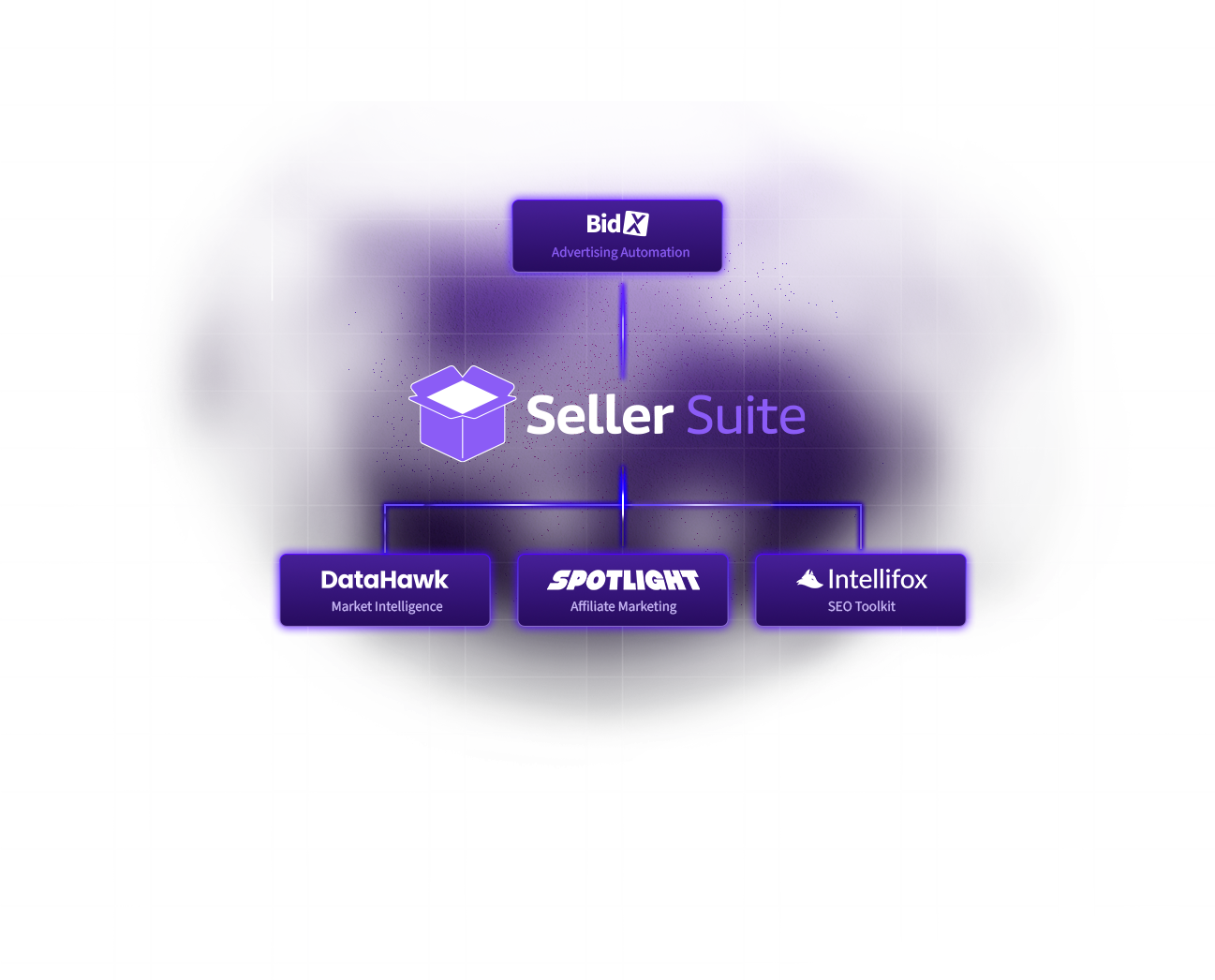
BidX is one such tool that operates within this environment, focusing on Amazon advertising optimization through automation and analytics.
What Is BidX?
BidX is a software platform designed to assist with the management and optimization of Amazon advertising campaigns. It falls under the category of Amazon PPC (pay-per-click) automation tools, which aim to improve campaign efficiency through algorithmic bid adjustments, keyword management, and performance tracking.
The platform is structured to integrate with Amazon Seller Central and Amazon Advertising accounts, enabling it to access campaign data and apply automated rules or machine learning models. BidX primarily focuses on Sponsored Products, Sponsored Brands, and related advertising formats within Amazon’s ecosystem.
Rather than functioning as a marketplace itself, BidX operates as a layer above Amazon’s advertising system, helping users analyze campaign data and automate certain operational tasks.
Key Features Explained
Automated Bid Management
One of the central capabilities of BidX is automated bid optimization. The tool adjusts keyword bids based on performance metrics such as conversion rate, cost of advertising (ACoS), and return on ad spend (ROAS). This reduces the need for manual bid changes across multiple campaigns.
Keyword Harvesting and Filtering
BidX includes functionality to identify high-performing search terms and convert them into targeted keywords. At the same time, it can detect underperforming or irrelevant search terms and suggest negative keyword additions to prevent unnecessary ad spend.
Rule-Based Automation
Users can define custom rules that trigger specific actions within campaigns. For example, rules may increase bids when a keyword meets a performance threshold or pause keywords that exceed a certain cost without generating conversions.
Campaign Structure Optimization
The platform supports restructuring of campaigns by organizing keywords into logical groupings. This can improve targeting accuracy and make performance analysis more manageable.
Performance Analytics Dashboard
BidX provides dashboards that aggregate campaign metrics, including impressions, clicks, conversions, and advertising costs. These dashboards aim to present data in a way that supports decision-making without requiring manual data compilation.
Bulk Operations
Managing large advertising accounts often involves repetitive actions. BidX includes bulk editing features that allow users to apply changes across multiple campaigns or keywords simultaneously.
Integration Capabilities
The platform connects directly with Amazon advertising accounts, enabling real-time data synchronization. This integration ensures that campaign updates and performance metrics are reflected without manual data imports.
Common Use Cases
Managing Large Advertising Portfolios
Businesses with extensive product catalogs often run hundreds or thousands of campaigns. BidX can help streamline management by automating routine adjustments and centralizing campaign data.
Improving Campaign Efficiency
Advertisers seeking to reduce wasted spend may use BidX to identify underperforming keywords and optimize bids based on performance data.
Scaling Advertising Efforts
As businesses grow, manual campaign management becomes less practical. BidX supports scaling by handling repetitive optimization tasks programmatically.
Data-Driven Decision Making
Marketing teams that rely on analytics may use BidX to access structured performance data, enabling more informed decisions regarding budget allocation and keyword targeting.
Agency-Level Account Management
Agencies managing multiple client accounts can use BidX to standardize workflows and apply consistent optimization strategies across different accounts.
Potential Advantages
Reduction in Manual Workload
By automating repetitive tasks such as bid adjustments and keyword filtering, BidX can reduce the time required for campaign management.
Data Processing at Scale
The platform is capable of analyzing large datasets, which may be difficult to process manually. This allows users to identify trends and patterns more efficiently.
Consistency in Optimization
Automation can apply rules uniformly across campaigns, reducing variability that might arise from manual management.
Customizable Rules and Strategies
Users can tailor automation rules to align with specific performance goals, providing flexibility in campaign management approaches.
Centralized Campaign Oversight
BidX consolidates campaign data into a single interface, making it easier to monitor performance across multiple campaigns.
Limitations & Considerations
Dependence on Automation Logic
While automation can improve efficiency, it relies on predefined rules or algorithms. If these are not properly configured, they may produce suboptimal outcomes.
Learning Curve
New users may require time to understand how to configure rules, interpret analytics, and integrate the platform effectively with their existing workflows.
Cost Considerations
Tools like BidX typically involve subscription fees. For smaller sellers, the cost may need to be weighed against the potential benefits.
Limited Scope Outside Amazon
BidX is primarily focused on Amazon advertising. Businesses seeking multi-channel advertising solutions may need additional tools for platforms such as Google Ads or social media advertising.
Data Interpretation Still Required
Although BidX provides analytics, users still need to interpret the data and make strategic decisions. The tool does not replace the need for marketing expertise.
Who Should Consider BidX
Established Amazon Sellers
Businesses with consistent sales volume and active advertising campaigns may benefit from automation and data insights provided by BidX.
Advertising Professionals
Marketing specialists managing Amazon PPC campaigns can use the platform to streamline workflows and enhance campaign performance analysis.
E-commerce Agencies
Agencies handling multiple clients may find value in the ability to manage and optimize campaigns at scale using a unified system.
Data-Oriented Teams
Teams that prioritize analytics and performance metrics may appreciate the structured reporting and data visualization features.
Who May Want to Avoid It
Beginners with Minimal Campaign Activity
Sellers who run only a few campaigns or have limited advertising budgets may not require advanced automation tools.
Businesses Focused on Non-Amazon Channels
Companies that primarily advertise outside Amazon may find limited applicability in a tool designed specifically for Amazon PPC.
Users Preferring Full Manual Control
Some advertisers prefer hands-on campaign management and may find automation tools less aligned with their workflow preferences.
Budget-Constrained Small Sellers
For smaller operations, the cost of using a third-party tool may outweigh the operational benefits, especially in early growth stages.
Comparison With Similar Tools
BidX operates within a competitive landscape that includes several Amazon advertising optimization platforms. While many tools share core features such as bid automation and keyword management, differences often emerge in implementation and focus.
Some platforms emphasize machine learning-driven optimization, while others prioritize rule-based customization. BidX combines both approaches, allowing users to apply predefined rules alongside automated adjustments.
In comparison to broader e-commerce tools, BidX maintains a narrower focus on Amazon advertising. This specialization can be advantageous for users seeking depth within a single platform but may limit functionality for those requiring cross-platform advertising management.
Other tools in the category may offer additional features such as inventory management or financial analytics, whereas BidX remains primarily centered on advertising performance.
Final Educational Summary
BidX represents a category of tools designed to address the increasing complexity of Amazon advertising management. By automating bid adjustments, organizing keywords, and providing structured analytics, it aims to assist users in handling large-scale campaigns more efficiently.
The platform’s value lies in its ability to process advertising data and apply consistent optimization strategies. However, its effectiveness depends on proper configuration and an understanding of advertising principles. It does not eliminate the need for strategic oversight but rather complements it by reducing operational workload.
For businesses deeply engaged in Amazon advertising, tools like BidX can serve as part of a broader optimization strategy. At the same time, its specialized focus and reliance on automation make it less suitable for users with minimal advertising activity or those operating outside Amazon’s ecosystem.
