

Introduction
The expansion of digital commerce has reshaped how products are discovered, purchased, and delivered. Traditional retail models relied heavily on physical infrastructure, localized audiences, and manual processes. In contrast, online commerce requires a different set of capabilities—website creation, digital payments, logistics coordination, and customer data management.
For many businesses, building these systems independently presents technical and financial challenges. This has led to the emergence of integrated e-commerce platforms that consolidate essential functions into a single interface. These platforms are designed to simplify store creation while supporting scalability and operational control. Shopify is one such platform that operates within this ecosystem, offering tools for building and managing online retail operations.
What Is Shopify?
Shopify is a cloud-based e-commerce platform that enables users to create, operate, and scale online stores without needing to build infrastructure from scratch. It is categorized under software-as-a-service (SaaS) solutions, meaning the platform is hosted and maintained externally.
Through a centralized dashboard, Shopify allows users to manage various aspects of digital commerce, including product listings, website design, order processing, and customer interactions. The platform also supports selling across multiple channels, such as websites, social platforms, and physical retail environments through point-of-sale systems.
Rather than functioning solely as a website builder, Shopify operates as a comprehensive commerce system designed to handle both frontend and backend processes.
Key Features Explained
Store Creation and Design Framework
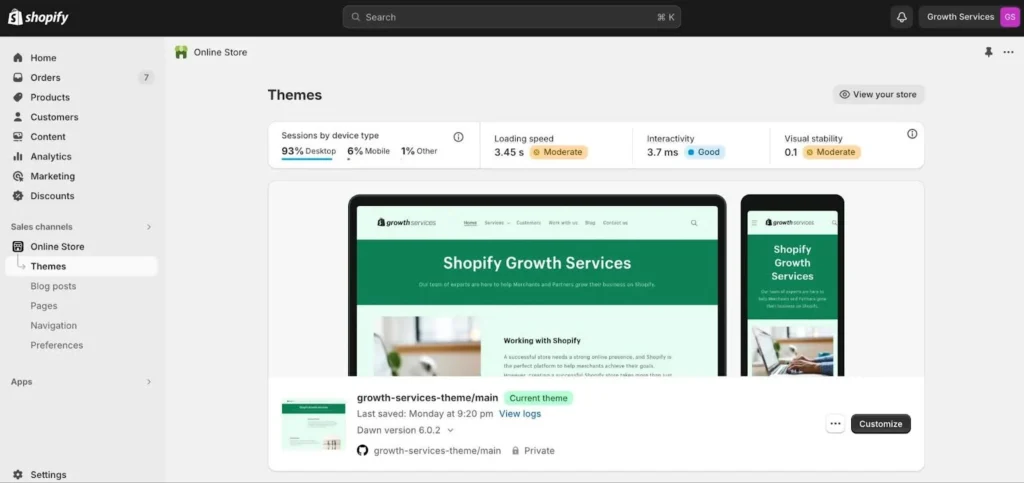
Shopify provides a structured approach to building online storefronts using pre-designed themes. These themes determine layout, navigation, and visual presentation. Users can customize elements such as colors, fonts, and page structures to align with their brand identity.
For those with technical knowledge, the platform offers deeper customization through its templating language, enabling modifications beyond basic design settings.
Product Management System
The platform includes tools for organizing and managing products. Users can define product variants, pricing structures, and inventory levels. This system supports both small catalogs and extensive product ranges.
Inventory updates are synchronized across all sales channels, reducing inconsistencies and improving operational accuracy.
Payment Handling and Checkout Process
Shopify integrates payment processing capabilities that allow businesses to accept transactions through multiple methods. The checkout system is designed to manage order confirmation, payment validation, and transaction records.
Additional features include automated tax calculations and support for different currencies, which are essential for businesses operating in multiple regions.
Multichannel Selling Integration
Selling is no longer confined to standalone websites. Shopify enables integration with various external sales channels, allowing businesses to reach customers across different platforms while maintaining centralized control.
This integration ensures that inventory, pricing, and order data remain consistent, even when sales occur through multiple touchpoints.
Analytics and Reporting Tools
Understanding performance is a key aspect of managing an online store. Shopify includes reporting tools that provide insights into sales trends, customer behavior, and product performance.
These analytics help users identify patterns, evaluate strategies, and make informed decisions based on measurable data.
Application Ecosystem
Shopify supports an ecosystem of third-party applications that extend its core functionality. These applications cover areas such as marketing automation, shipping solutions, accounting systems, and customer engagement tools.
This modular approach allows businesses to tailor the platform according to their operational needs.
Common Use Cases
Independent Online Stores
Shopify is frequently used by individuals and small businesses to establish standalone online stores. Its simplified setup process makes it accessible to users without technical expertise.
Direct-to-Consumer Brands
Brands that prefer selling directly to customers use Shopify to maintain control over branding, pricing, and customer relationships. The platform supports customization and customer interaction tools aligned with this model.
Dropshipping Operations
In dropshipping models, products are supplied and shipped by third parties. Shopify integrates with supplier systems, allowing users to list products and process orders without holding inventory.
Hybrid Retail Models
Businesses operating both online and physical stores can use Shopify’s point-of-sale features to unify operations. This ensures consistent inventory tracking and customer data management.
Subscription-Based Services
Some businesses use Shopify to manage recurring purchases, such as subscription boxes or digital memberships. This typically involves additional applications but demonstrates the platform’s flexibility.
Potential Advantages
Reduced Technical Complexity
Shopify eliminates the need for server management, software installation, and system maintenance. This allows users to focus on business operations rather than technical setup.
Centralized Management
The platform consolidates multiple functions into one interface, simplifying workflows and reducing the need for separate tools.
Scalability
Shopify supports growth by accommodating increased traffic, product listings, and transaction volumes. Businesses can expand without major infrastructure changes.
Built-In Security Measures
Security protocols, including data protection and transaction safety, are managed within the platform. This reduces the risk associated with handling sensitive information.
Global Selling Capabilities
The platform supports multiple currencies, languages, and international shipping configurations, making it suitable for businesses targeting global audiences.
Limitations & Considerations
Subscription-Based Pricing
Shopify requires ongoing payments, which may include additional costs for premium themes and applications. These expenses can increase as the business grows.
Customization Constraints
While the platform offers flexibility, it may not match the level of customization available in fully open-source solutions. Advanced changes often require technical knowledge.
Dependence on Third-Party Apps
Many advanced features rely on external applications. This can lead to additional costs and potential compatibility issues.
Transaction Fees
Depending on the payment methods used, transaction fees may apply. These can affect overall profitability.
Platform Dependency
Operating within a hosted environment means users rely on Shopify’s infrastructure and policies, which may limit control over certain aspects.
Who Should Consider Shopify
New Entrepreneurs
Individuals starting an online business may find Shopify suitable due to its guided setup and minimal technical requirements.
Growing E-Commerce Businesses
Businesses planning to scale can benefit from Shopify’s infrastructure and ability to handle increased demand.
Multichannel Sellers
Companies selling across multiple platforms may find value in Shopify’s centralized management system.
Retailers Transitioning Online
Traditional businesses moving into digital commerce can use Shopify to establish an online presence without building systems from scratch.
Who May Want to Avoid It
Developers Seeking Full Control
Users who prefer complete control over backend systems may find hosted platforms limiting.
Highly Customized Business Models
Businesses with unique operational requirements may require more flexible solutions.
Cost-Conscious Startups
Organizations with limited budgets should evaluate the cumulative costs associated with subscriptions and add-ons.
Enterprises With Existing Systems
Large organizations with established infrastructure may not benefit from adopting a new platform.
Comparison With Similar Tools
Shopify vs WooCommerce
WooCommerce offers greater flexibility as an open-source solution but requires users to manage hosting and maintenance. Shopify provides a managed environment with reduced technical complexity.
Shopify vs BigCommerce
BigCommerce includes more built-in features but may involve a steeper learning curve. Shopify emphasizes ease of use and a large app ecosystem.
Shopify vs Magento
Magento provides extensive customization but requires significant technical resources. Shopify offers a simpler, more accessible alternative.
Shopify vs Wix eCommerce
Wix focuses on visual website building, while Shopify offers more advanced commerce-specific features and scalability.
Final Educational Summary
Shopify represents a structured approach to managing digital commerce operations. By combining storefront design, product management, payment processing, and analytics into a single system, it addresses many of the challenges associated with launching and maintaining an online store.
Its design prioritizes accessibility and operational efficiency, making it suitable for a wide range of users. At the same time, considerations related to cost, customization, and platform dependency highlight the importance of evaluating specific business needs.
As e-commerce continues to evolve, platforms like Shopify illustrate how integrated systems can simplify complex processes while supporting business growth across multiple channels.
Disclosure: This article is for educational and informational purposes only. Some links on this website may be affiliate links, but this does not influence our editorial content or evaluations.
