Introduction
Starting and managing a business in a global digital environment involves a wide range of administrative and legal requirements. Entrepreneurs must navigate company formation, regulatory compliance, documentation, and ongoing operational obligations. These tasks can be especially complex for individuals who are unfamiliar with legal systems, particularly when forming businesses across borders.
Digital business infrastructure platforms exist to address these challenges. They aim to centralize administrative workflows such as company registration, compliance tracking, and documentation management into a single interface. Instead of relying solely on traditional legal or accounting firms, some founders turn to software-driven services that simplify processes through automation and standardized workflows.
Doola operates within this category. It is designed to assist founders with company formation and operational administration, particularly for those establishing businesses in the United States from other countries. This article provides a neutral, educational overview of Doola, explaining how it works, its main features, common use cases, potential advantages, and notable limitations. Readers should evaluate the information presented here in light of their own legal, financial, and operational requirements.
What Is Doola?
Doola is a digital business services platform focused on assisting entrepreneurs with company formation and administrative management. It primarily supports founders who want to establish and operate a U.S.-based business entity without being physically present in the country.
The platform belongs to the category of online business formation and compliance management tools. These tools typically combine software automation with guided processes to help users complete legal and operational tasks that would otherwise require direct engagement with legal professionals.
Users of such platforms often include solo founders, remote entrepreneurs, freelancers, digital service providers, and early-stage startups. These individuals usually require structured guidance rather than bespoke legal consulting, especially during the early stages of business formation.
Doola does not function as a marketplace or e-commerce system. Instead, it focuses on administrative infrastructure such as entity registration, documentation handling, and ongoing compliance assistance.
Key Features Explained
Business Entity Formation
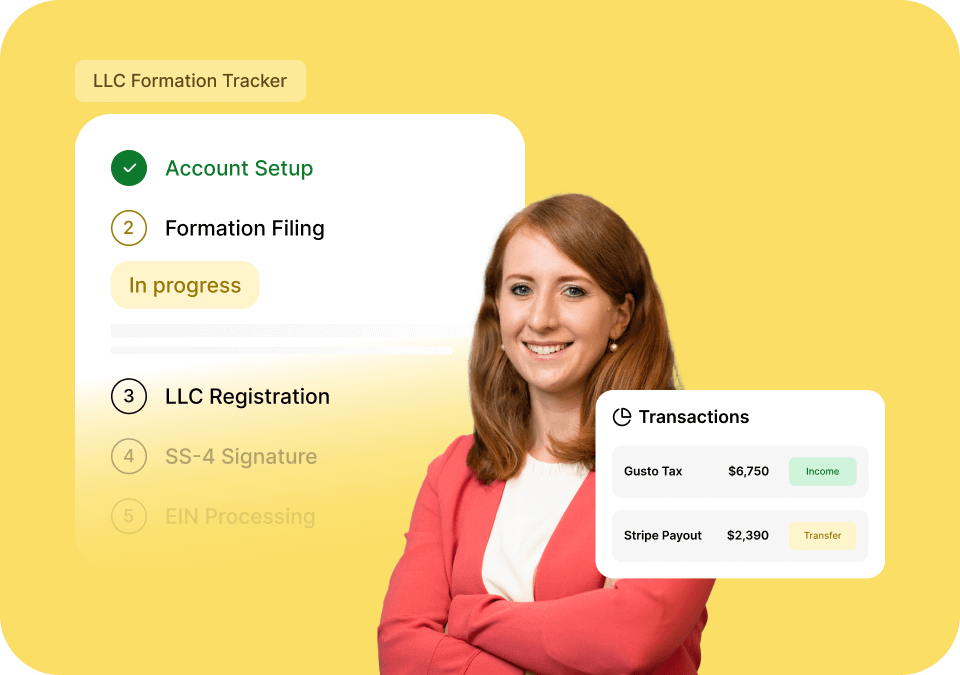
Doola provides structured workflows for forming legal business entities. This typically includes collecting required personal and business information, preparing standardized documents, and submitting filings to relevant authorities. The platform streamlines steps that might otherwise require manual paperwork or external coordination.
Compliance Tracking
Many jurisdictions require businesses to meet recurring compliance obligations, such as annual filings or reporting updates. Doola includes tools that help users track these obligations. Rather than replacing legal responsibility, these tools act as organizational aids to reduce the likelihood of missed deadlines.
Documentation Management
The platform allows users to store and access business-related documents in a centralized location. This may include formation documents, certificates, or compliance records. Centralized document storage can help founders maintain clarity over administrative records.
Administrative Guidance
Doola provides guided processes that explain what information is needed at each stage of business setup or maintenance. These explanations are typically instructional rather than advisory, offering general context rather than personalized legal advice.
Ongoing Operational Support
Some features are designed to support businesses after formation, such as reminders, dashboard views of obligations, and structured checklists. These tools are intended to assist with organization rather than decision-making.
Common Use Cases
International Founders
One common use case involves non-U.S. residents who want to establish a U.S.-based business entity. Such founders often face challenges related to unfamiliar regulations, documentation requirements, and procedural steps.
Digital Service Providers
Freelancers, consultants, and online service providers may use platforms like Doola to formalize their operations. This allows them to operate under a registered entity structure rather than as individuals.
Early-Stage Startups
New startups with limited internal resources may rely on administrative platforms to handle formation and compliance tasks. This can allow founders to focus more on product development and customer acquisition.
Remote-First Businesses
Businesses that operate without a physical office may benefit from centralized digital tools that manage administrative requirements remotely.
Potential Advantages
Centralized Administrative Workflow
By consolidating multiple administrative processes into a single platform, users may find it easier to manage business formation and compliance tasks without coordinating multiple service providers.
Structured Guidance
The platform’s step-by-step workflows can reduce confusion for founders who are unfamiliar with legal or administrative terminology. Clear prompts can help users understand what information is required at each stage.
Reduced Administrative Complexity
For straightforward business structures, automated workflows may reduce the effort required to complete routine administrative tasks. This can be particularly helpful for founders without prior experience.
Accessibility for Remote Users
Since the platform operates digitally, it may be accessible to users regardless of geographic location, provided they meet eligibility requirements.
Limitations & Considerations
Not a Substitute for Legal Advice
Doola provides structured processes but does not replace professional legal or tax advice. Users with complex business structures or industry-specific regulations may still require expert consultation.
Standardized Processes
The platform is designed around standardized workflows. Businesses with unusual ownership structures, specialized compliance needs, or non-standard requirements may find limited flexibility.
Learning Curve
Although the interface is designed to be accessible, users still need to understand basic business concepts. Founders with no prior exposure to legal or administrative processes may require additional external research.
Jurisdictional Scope
The platform’s usefulness depends on jurisdictional coverage. Businesses operating in multiple countries or regions may need additional tools or professional services beyond what a single platform can provide.
Responsibility Remains With the User
While reminders and dashboards can assist with organization, legal responsibility for compliance remains with the business owner. Automated tools do not eliminate regulatory obligations.
Who Should Consider Doola
-
Entrepreneurs seeking a structured approach to forming a basic business entity
-
International founders looking for administrative guidance
-
Freelancers or consultants formalizing their operations
-
Early-stage startups with limited internal administrative capacity
These users may benefit from centralized workflows and organizational tools, provided they understand the platform’s scope and limitations.
Who May Want to Avoid It
-
Businesses with complex legal or tax requirements
-
Companies operating in highly regulated industries
-
Founders who require customized legal strategies
-
Organizations needing in-depth advisory services
Such users may find traditional legal or accounting professionals more suitable for their needs.
Comparison With Similar Doola
Several platforms operate in the same category as Doola, offering digital assistance with business formation and compliance. Some alternatives focus more heavily on accounting support, while others emphasize legal documentation or ongoing corporate governance.
The primary differences between such tools often relate to geographic coverage, feature scope, level of guidance, and degree of customization. No single platform is universally appropriate; suitability depends on business structure, jurisdiction, and user expertise.
Final Educational Summary
Doola is a digital platform designed to support business formation and administrative management through structured, software-driven workflows. It operates within the broader category of online business infrastructure tools, aiming to simplify certain procedural aspects of starting and managing a business.
While it may reduce administrative complexity for some users, it does not eliminate the need for professional advice in complex situations. Founders should carefully assess their business requirements, regulatory obligations, and risk tolerance before relying on any automated platform.
Readers are encouraged to conduct independent research and consider multiple perspectives when evaluating tools for business formation and management.
Disclosure
This article is for educational and informational purposes only. Some links on this website may be affiliate links, but this does not influence our editorial content or evaluations.