Introduction
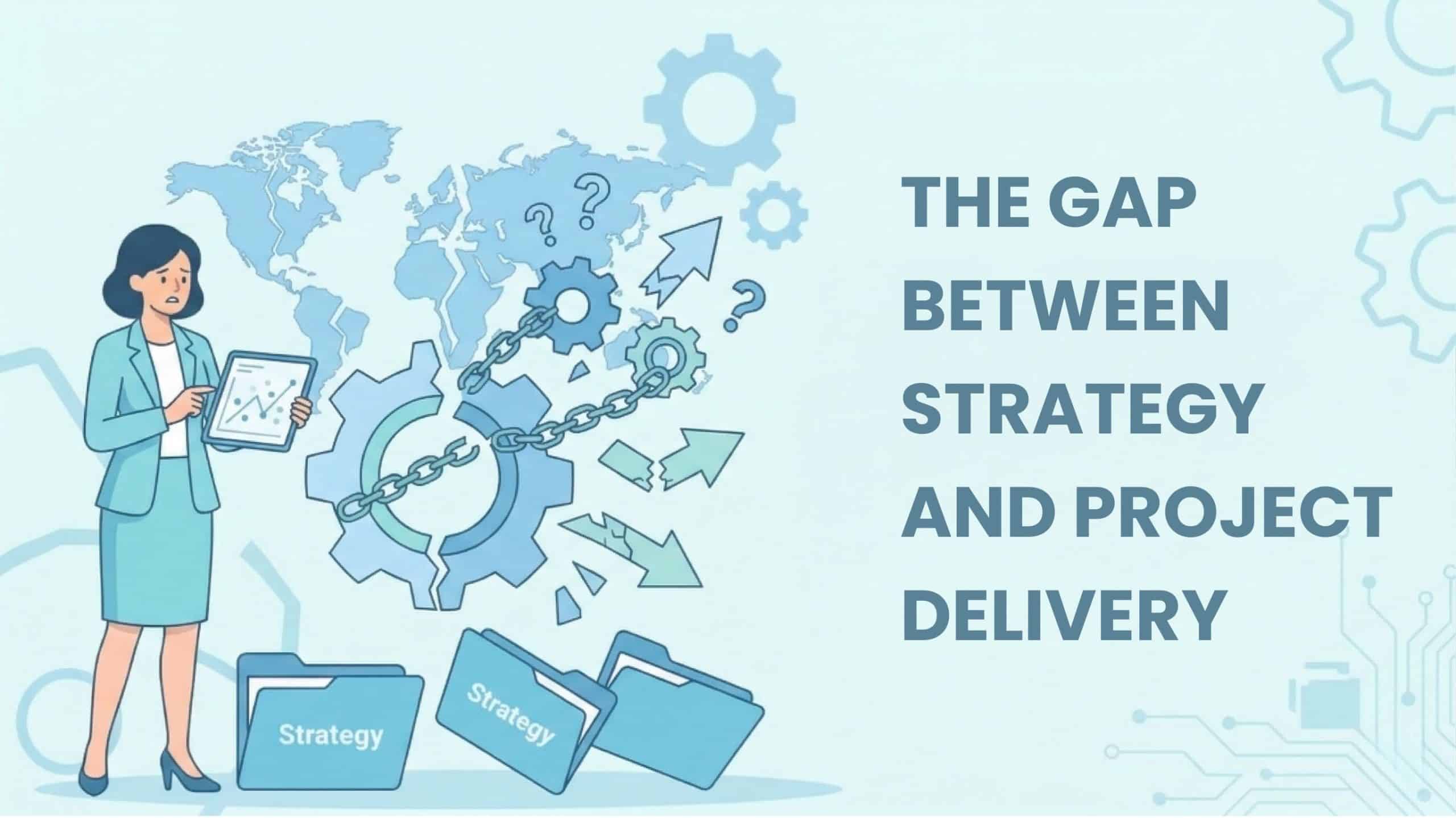
As organizations grow, managing multiple projects at the same time becomes increasingly complex. Teams must coordinate tasks, track progress, manage budgets, and ensure that projects align with business goals. When these activities are handled using disconnected tools or manual processes, it can lead to delays, inefficiencies, and limited visibility.
To manage this complexity, businesses often use project and portfolio management (PPM) software. These tools provide a structured way to plan, monitor, and control projects across departments while keeping everything aligned with organizational strategy.
Cerri is one such platform developed to support enterprise-level project management and operational planning.
What Is Cerri?
Cerri is an enterprise project and portfolio management platform that helps organizations plan, execute, and monitor projects within a centralized system.
It belongs to:
- Project Management Software
- Portfolio Management Tools
- Enterprise Work Management Systems
Cerri is typically used by large organizations, project management offices (PMOs), and teams that need structured control over multiple projects and resources. The platform is designed to manage both individual projects and broader portfolios, allowing businesses to connect daily operations with long-term strategic goals.
Key Features Explained
Cerri provides a centralized workspace where teams can plan projects by defining tasks, timelines, and dependencies in a structured way. This helps ensure that projects follow a clear process from initiation to completion, reducing confusion and improving coordination across teams.
The platform also focuses on portfolio management, allowing organizations to oversee multiple projects at the same time. By viewing all projects within a single system, decision-makers can prioritize work, allocate budgets, and align projects with business objectives more effectively.
Resource management is another key component of Cerri. It allows organizations to assign tasks based on team availability and workload, helping distribute resources efficiently and avoid overloading individuals or departments.
Cerri includes time and expense tracking features that enable teams to record working hours and monitor project-related costs. This helps organizations compare planned budgets with actual spending and maintain financial control throughout the project lifecycle.
The platform also supports collaboration by providing a shared environment where team members can communicate, share updates, and track progress. This helps improve transparency and ensures that everyone involved in a project stays informed.
In addition, Cerri offers reporting and dashboard tools that provide real-time insights into project performance. These dashboards help managers monitor progress, identify risks, and make informed decisions based on current data.
Workflow automation is another feature that allows organizations to define structured processes for approvals, task assignments, and updates. This reduces manual work and helps maintain consistency across projects.
Common Use Cases
Cerri is commonly used by enterprises to manage multiple projects within a centralized system. It helps organizations maintain visibility across departments and ensures that projects are aligned with overall business strategies.
It is also used in industries where structured workflows and compliance are important, such as finance, healthcare, and manufacturing. In these cases, managing approvals, documentation, and risks is a key requirement.
Teams use the platform for collaboration across departments, allowing different groups to work together on shared projects while maintaining control and visibility.
Potential Advantages
Cerri can provide a structured approach to managing complex projects and portfolios. It helps organizations maintain visibility across all ongoing work, which can improve planning and coordination.
The platform supports efficient resource allocation, helping businesses distribute workloads based on availability. Its reporting features provide insights that can assist in monitoring performance and identifying potential issues.
Additionally, the centralized system can reduce fragmentation across tools and improve overall workflow organization.
These advantages depend on the organization’s needs and how the platform is implemented.
Limitations & Considerations
Cerri is designed for enterprise environments, which means it may be more complex than necessary for small teams or individual users. Organizations with simpler workflows may find it difficult to use all of its features effectively.
The platform may require time to learn, especially for users who are not familiar with project and portfolio management systems. Understanding dashboards, workflows, and reporting tools can take some effort.
Implementation and setup may involve configuration and integration with existing systems, which could require technical support.
Additionally, while Cerri provides strong project management capabilities, some organizations may still need additional tools for other business functions depending on their requirements.
Who Should Consider Cerri
Cerri may be suitable for large organizations, enterprises, and PMOs that need structured control over multiple projects and resources. It is particularly useful for businesses that require visibility across departments and alignment with strategic goals.
Who May Want to Avoid It
It may not be ideal for freelancers, small teams, or users looking for simple task management tools. It may also not suit organizations that prefer lightweight solutions without setup complexity.
Comparison With Similar Tools
Tools like Microsoft Project focus on detailed project planning, while Asana is commonly used for simpler task management. Monday.com provides flexible workflow management with visual interfaces.
Compared to these, Cerri is generally positioned as an enterprise-focused platform designed for managing complex project portfolios and aligning them with business strategy.
Final Educational Summary
Cerri is an enterprise project and portfolio management platform that helps organizations plan, track, and manage complex workflows within a centralized system. It combines project planning, resource management, collaboration, and reporting into a single environment.
While it can support large-scale operations, it may not be necessary for smaller teams with simpler needs. Users should evaluate whether its features match their operational requirements and complexity.
This article is for informational purposes only. Readers should evaluate tools based on their own needs.