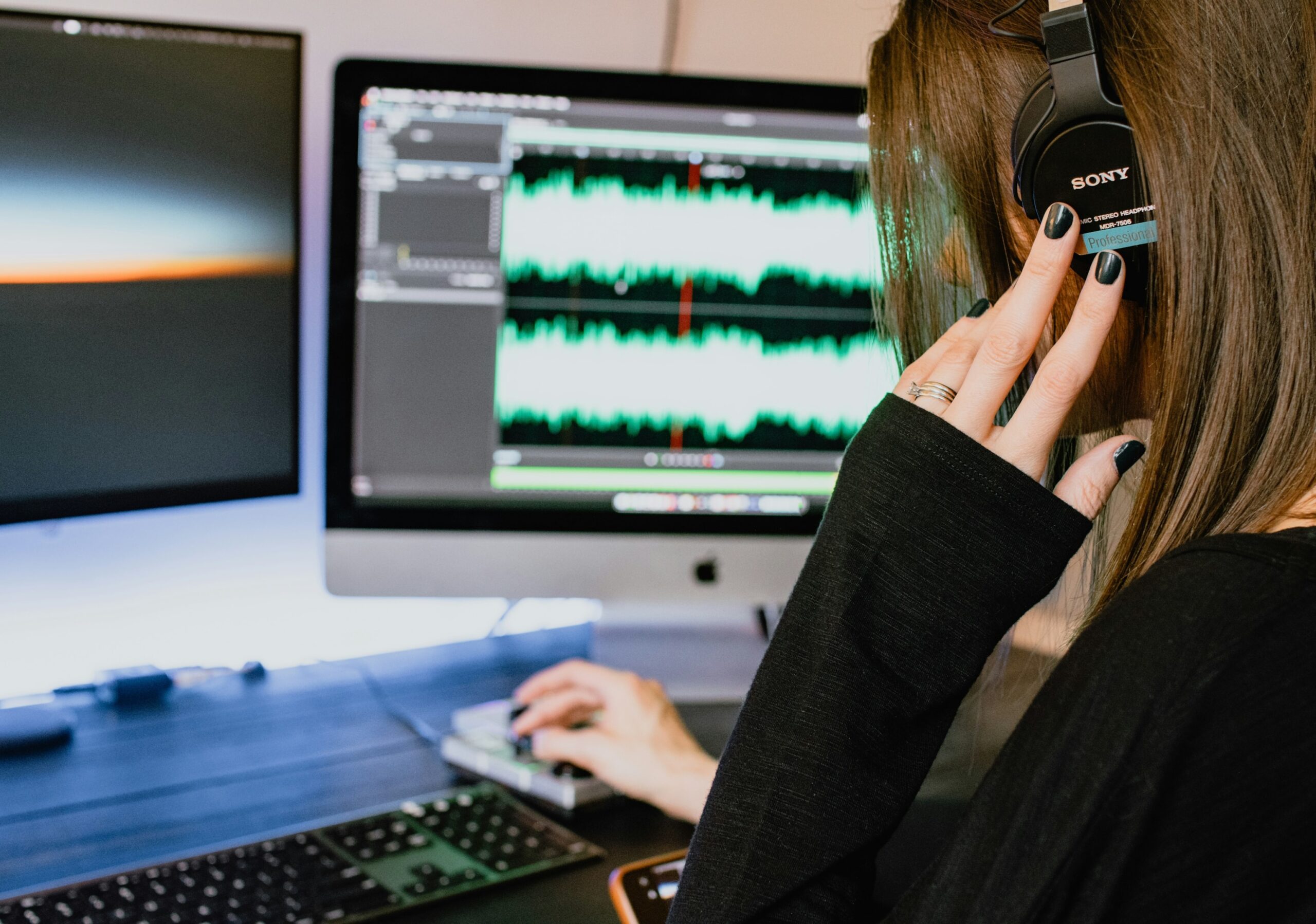
In recent years, artificial intelligence has made remarkable strides in natural language processing, speech synthesis, and voice-driven applications. Among the emerging tools in this domain is Murf AI, a platform that focuses on AI-driven voice generation, transcription, and audio editing. Unlike conventional text-to-speech systems that often produce robotic outputs, Murf AI leverages advanced AI models to create natural-sounding voices suitable for professional content creation, educational purposes, and multimedia production.
Understanding Murf AI
At its core, Murf AI is an AI-powered platform designed to convert written text into human-like voice recordings. The system combines machine learning models trained on diverse voice samples with speech synthesis algorithms to produce audio that mimics natural intonation, pacing, and emotion. This technology is increasingly relevant in industries where voice content is crucial, such as e-learning, advertising, podcasting, corporate training, and media production.
Unlike traditional voice-over processes, which often require professional recording studios, expensive equipment, and human talent, Murf AI allows users to create voice recordings digitally. Users can select from a library of voices, adjust pitch and tone, and synchronize audio with slides or video content. This approach can save both time and resources while maintaining high-quality output.
Key Features of Murf AI
1. AI Voice Generation
Murf AI provides a range of synthetic voices that can read text in multiple languages and accents. The voices are designed to emulate natural speech patterns, making them suitable for professional narrations, presentations, and instructional content.
2. Text-to-Speech Flexibility
The platform allows users to input text directly or upload scripts. Advanced settings enable customization of voice speed, pitch, and emphasis, allowing creators to match the audio tone with the intended mood of the content.
3. Voice Cloning and Customization
A distinguishing feature of Murf AI is its ability to clone voices. Users can provide sample recordings, and the AI can create a personalized synthetic voice based on that sample. This capability can be particularly useful for brands or educators aiming to maintain a consistent voice across multiple content pieces.
4. Transcription and Voice Editing
Murf AI is not limited to generating audio. It also provides transcription tools that convert voice recordings into text, facilitating content repurposing and accessibility. Additionally, the platform allows fine-tuning of audio output, including noise reduction, segment trimming, and modulation adjustments.
5. Integration with Multimedia Tools
The platform is compatible with various content creation workflows. Users can integrate voice recordings with video presentations, e-learning modules, or marketing content. This versatility makes it a practical tool for creators who require both text and audio components.
Practical Applications
The utility of Murf AI extends across multiple sectors:
-
E-Learning and Education: Educators can generate narrated lessons, tutorials, and learning modules without hiring professional voice talent. AI-generated voices can maintain consistency in tone and style across all educational content.
-
Corporate Training: Training programs often require repetitive audio content. Murf AI enables rapid creation of instructional materials that can be updated easily as courses evolve.
-
Content Creation and Marketing: Video creators, podcasters, and social media marketers can produce voiceovers for videos, advertisements, and promotional content with minimal production overhead.
-
Accessibility and Inclusion: Text-to-speech applications improve accessibility for visually impaired individuals or those with reading difficulties, broadening the reach of digital content.
Advantages and Considerations
Advantages
-
Efficiency: Reduces time and cost associated with traditional recording setups.
-
Scalability: Facilitates rapid production of multiple voice recordings for large projects.
-
Consistency: Maintains uniform voice quality and style across content pieces.
-
Accessibility: Offers tools for transcription and multi-language support, enhancing global usability.
Considerations
-
Authenticity: While AI voices are increasingly realistic, some listeners may still prefer human narrators for nuanced or emotional content.
-
Ethical Use: Voice cloning and synthetic voice technology must be used responsibly to prevent misuse or impersonation.
-
Dependency on Internet: Cloud-based AI platforms like Murf AI require internet connectivity and may involve subscription-based access for full features.
How Murf AI Fits into Modern Workflows
In the digital content landscape, tools like Murf AI are part of a broader trend toward automation and AI-assisted creativity. For example, instructional designers can integrate Murf AI with presentation software to produce narrated slideshows in a fraction of the time traditional voiceovers would take. Similarly, content teams in marketing departments can generate audio versions of blog posts or social media scripts, expanding reach to auditory audiences without significant additional resources.
AI voice platforms also complement remote work and distributed teams by allowing consistent voice branding without geographical constraints. Teams can standardize voice assets for training, webinars, or advertisements, ensuring continuity even when human voice talent is not available.
Future Outlook
AI voice technology is rapidly evolving, with improvements in naturalness, expressiveness, and language diversity. Platforms like Murf AI are likely to incorporate more advanced emotional modeling, enabling synthetic voices to convey subtle feelings such as enthusiasm, empathy, or urgency. Additionally, integration with AI-generated video and animation tools could create fully automated multimedia content, reducing production bottlenecks for creators.
At the same time, industry discussions around ethical usage, data privacy, and copyright implications are intensifying. The responsible deployment of AI voices requires guidelines to prevent misuse, such as deepfake audio or unauthorized voice replication. Murf AI and similar platforms may increasingly provide user agreements, monitoring, and safeguards to address these concerns.
Educational and Professional Relevance
For educators, marketers, and media professionals, understanding AI voice technology has practical and strategic significance. It provides insight into emerging AI capabilities while offering concrete tools to enhance content production efficiency. By experimenting with platforms like Murf AI, users can explore the balance between automation and human creativity, leveraging AI as an aid rather than a replacement for authentic voice work.
Moreover, as AI-generated content becomes more common, literacy in synthetic media—knowing how it is created, evaluated, and applied—will become a valuable skill across multiple industries.
Conclusion
Murf AI represents a significant step in the evolution of text-to-speech and voice synthesis technology. By combining natural-sounding voice generation, transcription capabilities, and multimedia integration, it offers versatile tools for content creators, educators, and corporate users. While AI voices continue to evolve, ethical considerations, authenticity, and contextual appropriateness remain key factors in their adoption.
The platform exemplifies how artificial intelligence can enhance efficiency, accessibility, and scalability in voice-based content production. Users interested in AI-driven multimedia creation can leverage such tools to explore innovative workflows while maintaining awareness of responsible usage practices.