
Introduction
The rapid expansion of digital commerce has intensified the need for reliable, transparent, and efficient payment processing systems. Businesses of all sizes—from small retailers to large service providers—depend on tools that can handle transactions securely while maintaining operational clarity. Traditional payment systems have often been criticized for complex fee structures, delayed settlements, and limited flexibility, particularly for small and medium-sized enterprises.
In response, a new generation of financial technology platforms has emerged, aiming to simplify how payments are accepted and managed. These tools are typically designed to reduce administrative overhead, improve transaction visibility, and provide more predictable cost structures. Within this broader category, platforms like Flatpay represent a shift toward streamlined payment solutions that emphasize transparency and ease of use.
What Is Flatpay?
Flatpay is a payment processing platform designed to facilitate digital and in-person transactions for businesses. It operates within the financial technology (fintech) sector, specifically focusing on merchant services and payment acceptance infrastructure. The platform typically supports card payments, contactless transactions, and integrations with point-of-sale (POS) systems.
Unlike traditional payment processors that may rely on tiered or variable pricing models, Flatpay is generally associated with simplified pricing structures. This approach is intended to make transaction costs more predictable, which can be particularly relevant for businesses managing tight margins or fluctuating sales volumes.
From a functional standpoint, Flatpay can be classified as a merchant services provider with an emphasis on operational simplicity and transparent billing practices.
Key Features Explained
Simplified Pricing Model
One of the defining characteristics of Flatpay is its approach to pricing. Many payment processors use interchange-plus or tiered pricing systems, which can be difficult to interpret. Flatpay instead emphasizes a flat-rate structure, where transaction fees are consistent and easier to anticipate.
This model can help businesses better forecast expenses related to payment processing, reducing the need for detailed reconciliation of varying fee categories.
Payment Acceptance Across Channels
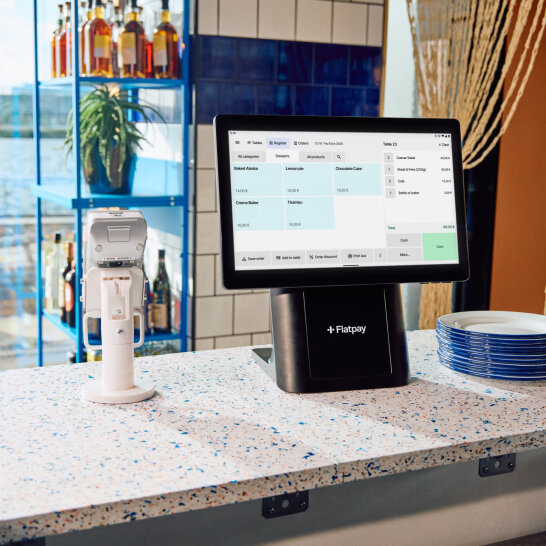
Flatpay supports multiple payment methods, including debit cards, credit cards, and contactless payments. This flexibility allows businesses to cater to customer preferences, whether transactions occur in physical stores or through mobile payment terminals.
The ability to accept payments across different channels is increasingly important in environments where consumers expect convenience and speed.
Point-of-Sale Integration
The platform is often compatible with POS systems, enabling businesses to manage transactions, inventory, and sales reporting within a unified interface. This integration can reduce the need for multiple disconnected tools, simplifying day-to-day operations.
POS compatibility also supports real-time transaction tracking, which can assist in monitoring sales performance.
Transparent Reporting Tools
Flatpay typically provides dashboards or reporting interfaces that display transaction histories, fee breakdowns, and settlement timelines. These tools are designed to offer clarity rather than requiring users to interpret complex financial statements.
Access to clear reporting can be valuable for accounting, auditing, and financial planning purposes.
Settlement and Payout Processes
Payment processors vary significantly in how quickly they transfer funds to merchants. Flatpay generally offers structured settlement timelines, which may include next-day or scheduled payouts depending on the configuration.
Predictable settlement schedules can help businesses manage cash flow more effectively.
Common Use Cases
Small Retail Businesses
Independent retailers often require straightforward payment solutions without the complexity of enterprise-level systems. Flatpay’s simplified pricing and ease of use align with the needs of small shops, cafes, and service providers.
Service-Based Businesses
Professionals such as consultants, repair technicians, and freelancers may use mobile payment terminals to accept payments on-site. Flatpay’s support for portable payment devices can accommodate these scenarios.
Hospitality and Food Services
Restaurants and cafes frequently handle high volumes of transactions. A consistent fee structure and quick payment processing can help maintain operational efficiency during peak hours.
Event-Based Sales
Temporary setups such as pop-up stores, exhibitions, and markets benefit from flexible payment solutions. Flatpay’s ability to function across different environments makes it suitable for short-term or mobile operations.
Growing Enterprises Seeking Cost Clarity
Businesses experiencing growth may look for tools that provide predictable costs as transaction volumes increase. Flatpay’s pricing model can be easier to scale compared to variable fee systems.
Potential Advantages
Cost Predictability
A flat-rate pricing structure reduces uncertainty in transaction costs. Businesses can estimate expenses more accurately, which may simplify budgeting and financial planning.
Reduced Administrative Complexity
By minimizing the need to analyze multiple fee categories, Flatpay can lower the administrative burden associated with payment reconciliation. This is particularly relevant for businesses without dedicated finance teams.
Accessibility for Non-Technical Users
The platform is generally designed with usability in mind, making it accessible to users without extensive technical expertise. Setup processes and interfaces are often streamlined to reduce onboarding friction.
Versatility in Payment Acceptance
Support for multiple payment methods ensures that businesses can accommodate diverse customer preferences. This flexibility can contribute to smoother transaction experiences.
Integration Capabilities
Compatibility with POS systems and other business tools allows Flatpay to fit into existing workflows. This reduces the need for significant operational changes when adopting the platform.
Limitations & Considerations
Limited Custom Pricing Flexibility
While flat-rate pricing offers simplicity, it may not always be the most cost-efficient option for businesses with very high transaction volumes. In such cases, interchange-plus models might result in lower overall fees.
Feature Depth Compared to Enterprise Platforms
Flatpay may not provide the same level of advanced analytics, customization, or international capabilities as larger, enterprise-focused payment processors. Businesses with complex requirements might find certain limitations.
Geographic Availability
Payment processing platforms often operate within specific regions due to regulatory requirements. Flatpay’s availability may be restricted depending on the country or market, which can affect multinational businesses.
Dependence on Hardware Compatibility
For in-person payments, the platform may require specific hardware or terminals. Businesses need to ensure compatibility with their existing systems or be prepared to adopt new devices.
Transaction Volume Considerations
Flat-rate pricing can become less advantageous as transaction sizes and volumes increase. Businesses should evaluate their typical transaction patterns before selecting this model.
Who Should Consider Flatpay
Flatpay may be relevant for businesses that prioritize clarity and simplicity in payment processing. This includes:
-
Small and medium-sized enterprises seeking predictable costs
-
Retailers with straightforward transaction workflows
-
Service providers requiring mobile payment options
-
Businesses without dedicated financial or technical teams
-
Organizations transitioning from cash-based systems to digital payments
The platform’s design aligns with users who value ease of use over advanced customization.
Who May Want to Avoid It
Flatpay may not be suitable for all business scenarios. It may be less appropriate for:
-
Large enterprises requiring highly customized payment solutions
-
Businesses with very high transaction volumes seeking optimized fee structures
-
Companies operating across multiple international markets
-
Organizations needing advanced analytics or specialized integrations
-
Users who require extensive control over payment processing configurations
In such cases, alternative platforms with more flexible pricing or broader feature sets might be more appropriate.
Comparison With Similar Tools
Flatpay operates within a competitive landscape that includes several established payment processing platforms. These tools vary in pricing models, feature depth, and target audiences.
Flatpay vs. Traditional Payment Processors
Traditional processors often use tiered or interchange-plus pricing, which can offer lower fees under certain conditions but requires more detailed analysis. Flatpay’s flat-rate approach simplifies cost understanding but may not always yield the lowest possible fees.
Flatpay vs. All-in-One Payment Platforms
Some platforms combine payment processing with additional services such as e-commerce tools, subscription management, and advanced analytics. Flatpay focuses more narrowly on payment acceptance and transparency, which can be advantageous for users seeking simplicity.
Flatpay vs. Mobile Payment Solutions
Mobile-focused payment tools emphasize portability and ease of use, often targeting freelancers and small vendors. Flatpay shares some of these characteristics but may offer broader POS integration capabilities.
Flatpay vs. Enterprise Payment Systems
Enterprise solutions typically provide extensive customization, global reach, and advanced reporting. Flatpay, by contrast, is more streamlined and may not meet the needs of large-scale operations with complex requirements.
Final Educational Summary
Flatpay represents a category of payment processing platforms that prioritize transparency, simplicity, and accessibility. By offering a flat-rate pricing structure and supporting multiple payment methods, it addresses common challenges associated with traditional merchant services.
The platform is particularly relevant for small to medium-sized businesses seeking predictable costs and straightforward implementation. Its integration capabilities and reporting tools contribute to operational efficiency, especially for users without specialized financial expertise.
However, the simplicity that defines Flatpay can also introduce limitations. Businesses with complex needs, high transaction volumes, or international operations may require more flexible or feature-rich alternatives. As with any financial tool, the suitability of Flatpay depends on the specific requirements, scale, and transaction patterns of the business.
Understanding these factors is essential when evaluating payment processing solutions within the broader fintech landscape.
Disclosure: This article is for educational and informational purposes only. Some links on this website may be affiliate links, but this does not influence our editorial content or evaluations.
