Introduction
The demand for digital voice content has expanded rapidly across media, education, software applications, and assistive technologies. Producing spoken content traditionally requires recording equipment, trained voice talent, and editing workflows. While early text-to-speech systems reduced production effort, they often lacked emotional realism and natural rhythm.
ElevenLabs develops AI models designed to generate highly realistic synthetic speech and replicate human voices digitally. Its technology focuses on expressive delivery rather than purely functional narration.
What Is ElevenLabs
ElevenLabs is a cloud-based artificial intelligence platform that generates spoken audio from text inputs. Beyond standard text-to-speech, it enables digital voice replication and language adaptation.
The platform combines machine learning voice modeling with scalable cloud processing. It is accessible through a browser interface and developer APIs.
Compare Speech Synthesis Platforms
Core offerings include:
-
AI-generated speech synthesis
-
Voice replication technology
-
Audio-to-audio voice transformation
-
Multilingual speech adaptation
-
Integration tools for software systems
Key Features Explained
AI Speech Generation
Users can input written scripts and receive downloadable audio files. The system attempts to model human-like pacing, tonal shifts, and emphasis patterns.
Settings allow modification of voice consistency and expressive variation, depending on the desired output style.
Digital Voice Replication
The system can create a synthetic version of a recorded voice. Short samples produce quick approximations, while extended recordings improve accuracy and tonal depth.
Voice replication is typically used for brand continuity, accessibility preservation, or fictional character development.
Speech Transformation
Audio recordings can be converted into another digital voice while maintaining original timing. This may support creative storytelling or localization workflows.
Language Expansion Tools
The platform supports multiple languages and offers translation-based voice generation. The goal is to keep emotional tone aligned with the original speech.
Voice Collection Library
A built-in voice catalog provides access to various accents, styles, and tones. Users who do not require custom cloning can select pre-designed voices.
Developer Access
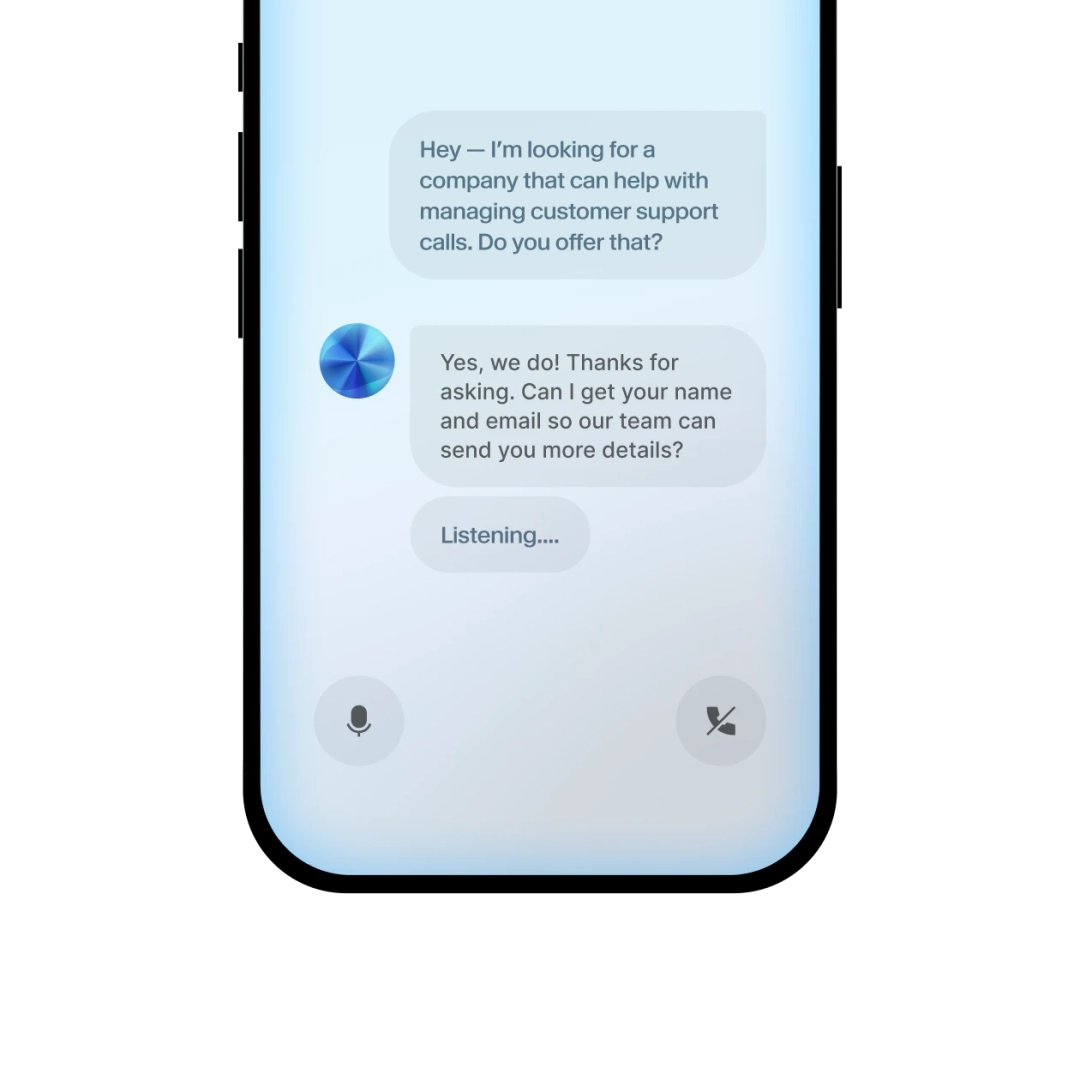
Through API endpoints, developers can integrate AI speech into applications such as chat interfaces, training software, interactive systems, or digital assistants.
Common Use Cases
Media Production
Video producers and educators may generate voice narration without organizing recording sessions.
Audiobook Drafting
Writers can create spoken drafts of manuscripts for early listening tests or distribution experiments.
Software & App Development
Developers may embed real-time AI voices in customer support tools, games, or learning platforms.
Accessibility Technology
Voice replication may help individuals maintain a version of their natural speech for assistive communication.
Internal Business Training
Companies can automate instructional content narration across departments.
Potential Advantages
Expressive Output
The system attempts to move beyond monotone AI narration by simulating emotional variation.
Reduced Production Workflow
Audio can be generated instantly without physical recording infrastructure.
Language Coverage
Support for multiple languages enables content scaling across regions.
Integration Flexibility
API availability allows adaptation within custom-built systems.
Usage-Based Scaling
Plans vary depending on how much voice content is generated.
Limitations & Considerations
Scaling Costs
High-output environments may experience increased subscription costs.
Pronunciation Adjustments
Specialized terminology may require manual corrections.
Ethical Responsibility
Voice cloning requires appropriate consent and authorization. Unauthorized replication may present legal risks.
Internet Dependency
As a cloud service, offline voice generation is not supported.
Creative Performance Boundaries
Although expressive, AI-generated speech may not fully replicate the nuance of professional voice acting in emotionally complex scenarios.
Who Should Consider ElevenLabs
-
Digital creators producing frequent narration
-
Technology teams integrating AI audio
-
Multilingual media producers
-
Accessibility-focused organizations
-
Startups testing conversational interfaces
Who May Want to Avoid
-
Projects requiring offline-only tools
-
Highly regulated environments with strict data policies
-
Productions needing theatrical-level emotional performance
-
Extremely low-volume users who prefer free-only solutions
Comparison With Similar Platforms
AI speech generation is a growing category with several competitors:
-
Play.ht
-
WellSaid Labs
-
Murf AI
While many tools provide synthetic speech, differences typically appear in voice realism, cloning accuracy, enterprise controls, and pricing structure. Evaluation should be based on project scale, integration requirements, and governance policies.
Final Educational Summary
ElevenLabs provides AI-based voice synthesis and digital voice replication through a cloud platform. Its focus lies in producing expressive and adaptable speech rather than simple mechanical narration.
The system can reduce time required for producing audio content and enable multilingual expansion. However, users should carefully assess cost scalability, data considerations, and ethical implications related to voice cloning.
Adoption decisions should align with project objectives, compliance requirements, and long-term production strategy.
Disclosure
This review is independently prepared for educational analysis. It is not sponsored content and does not promote or recommend purchasing decisions.